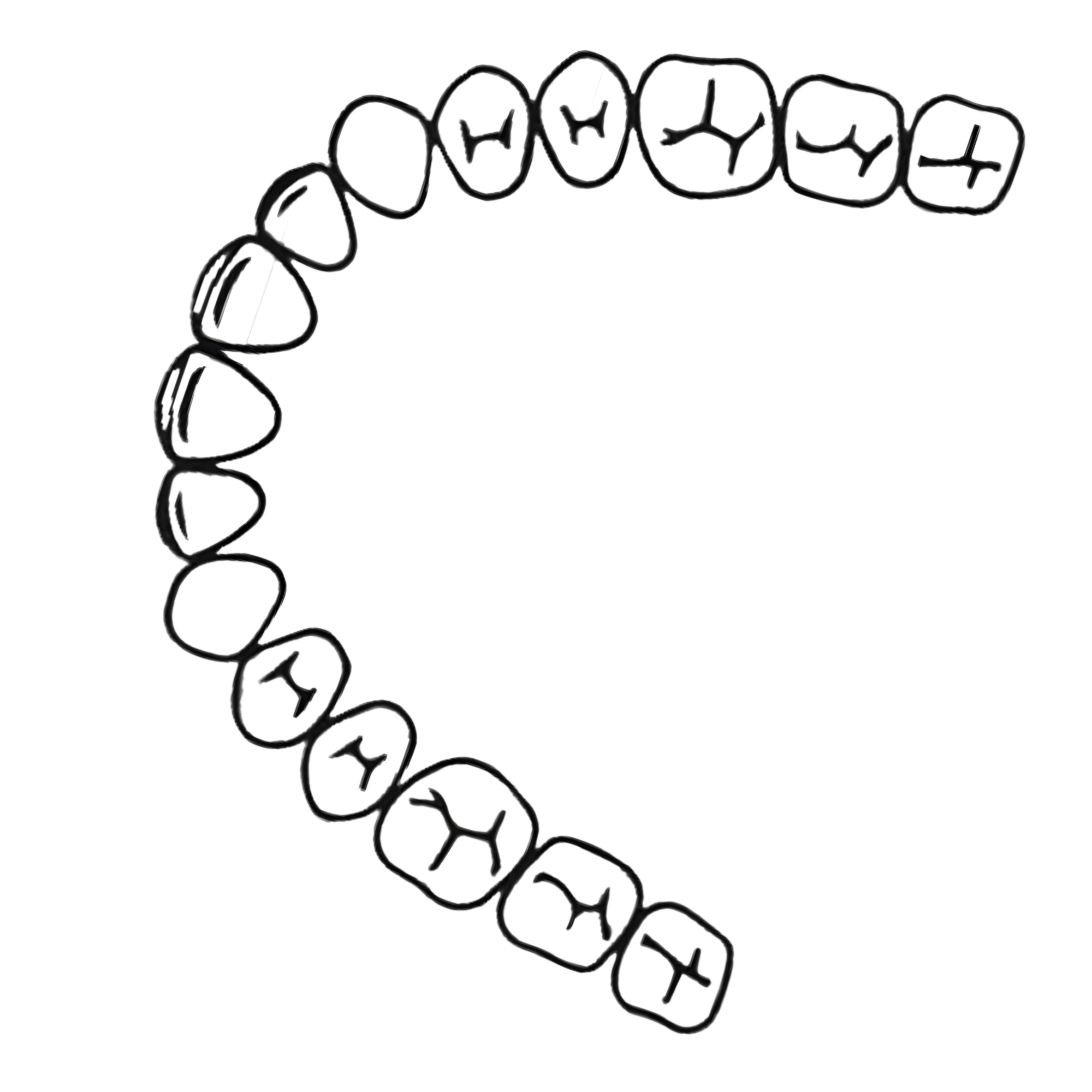
General Dentistry focuses on the health of teeth and gums, covering basic preventive and therapeutic procedures.
It is generally recommended to visit the dentist twice a year for check-ups and cleaning.
Yes, regular check-ups help detect dental issues early and ensure proper jaw development in children.
Fillings are used to repair decayed teeth and restore their shape and function.
Deep cleaning removes plaque and tartar below the gum line, while regular cleaning only cleans above the gums.
Brush twice daily, floss regularly, and use mouthwash.
Yes, fluoride strengthens enamel and prevents cavities.
Extraction is done for severe decay or infections that cannot be treated.
Some basic cosmetic procedures, like teeth whitening, may be included in general dentistry.
Early detection of issues prevents complications and maintains long-term oral health.
Teeth whitening is a procedure to lighten tooth color and remove stains.
Yes, when using dentist-recommended materials and techniques.
Usually 30 to 60 minutes depending on the technique used.
Some patients may experience temporary sensitivity after whitening.
Yes, whitening can be repeated every few months as needed.
In-office whitening is faster and more effective; home whitening is milder but safe.
No, when following medical guidelines; excessive use may cause temporary sensitivity.
Depends on diet and oral care, usually several months.
Special techniques can be used for sensitive teeth under dentist supervision.
Depends on the technique and number of sessions required.
Orthodontics treats misalignment of teeth and jaws to improve bite and appearance.
There are metal, clear, and lingual braces.
Usually 12–36 months depending on the patient’s case.
Patients may feel mild pressure or discomfort in the first few days.
Yes, most cases can be treated at any age.
Yes, proper orthodontics helps balance the jaw and overall facial appearance.
Extraction is done if needed to create space for teeth.
Clean teeth daily with floss, toothpaste, and mouthwash.
Braces should be removed only after treatment is complete to ensure results.
Depends on type of braces and number of teeth treated.
Endodontics focuses on treating the dental pulp and root canals to save the tooth.
When the dental pulp becomes inflamed or infected.
With proper anesthesia, the procedure is very comfortable.
Usually one or two sessions depending on the case.
Yes, if the initial treatment fails, it can be retreated.
A crown should be placed to maintain strength and durability.
Yes, treating the infection and inflammation relieves pain.
Lasts many years if proper care is taken post-treatment.
Yes, for older children when needed, under specialist supervision.
Depends on number of canals and materials used.
Periodontics focuses on gum health, supporting tissues, and preventing tooth loss.
Bacterial plaque and tartar accumulation causes gum inflammation.
Bleeding gums, redness, swelling, and bad breath.
Brush, floss, use mouthwash regularly, and have routine dental visits.
Yes, smoking increases the risk of gum inflammation and tooth loss.
Gingivitis affects gums only; periodontitis affects supporting tissues and bone.
Yes, with root cleaning, medication, and surgery if necessary.
Usually every 3–6 months as recommended by the dentist.
Yes, if not properly treated.
Depends on severity and required procedures.
Biomimetic restorative dentistry focuses on reconstructing teeth to mimic their natural structure.
Traditional fillings just fill the cavity, while biomimetic restorations preserve natural tooth strength.
Yes, it can be applied to anterior and posterior teeth depending on the case.
Lasts many years with proper oral care.
Yes, using high-quality materials under specialist supervision.
In some cases, a crown is placed to protect the tooth.
Yes, it preserves natural tooth shape and enhances functional aesthetics.
Local anesthesia is usually applied to ensure patient comfort.
Depends on the tooth size and number of teeth to be restored.
Yes, the color can be coordinated for optimal cosmetic results.
Dental implants are metal posts placed in the jaw to replace missing teeth.
Yes, it is safe when performed under specialist supervision.
The procedure usually takes 1–2 hours depending on the number of implants.
Local anesthesia is used, and patients may feel mild discomfort after the procedure.
Usually 2–4 months for the bone to heal around the implant.
Recommended for adults after jaw growth is complete; not advised for children.
Immediate implant is placed right after extraction, conventional after healing.
In some cases, immediate placement is possible depending on the dentist’s assessment.
Depends on the type and number of implants.
With proper care and regular check-ups, they can last many years.
Cosmetic dentistry focuses on improving the appearance of teeth and smile.
Teeth whitening, veneers, restorations, and cosmetic orthodontics.
Yes, some cosmetic procedures modify natural teeth to improve appearance.
When performed by a specialist, it does not harm dental health.
Usually several months to a year depending on diet and oral care.
Depends on tooth size and pre-existing issues.
Yes, to achieve a healthy and beautiful smile.
With proper anesthesia, procedures are comfortable.
Depends on the procedure type and number of teeth treated.
Depends on the treatment type, usually between one and several sessions.
Orthognathic surgery corrects jaw growth issues and bite misalignment to improve function and appearance.
When severe malocclusion or jaw growth issues cannot be corrected by orthodontics alone.
Performed under general anesthesia, pain after surgery is managed with medications.
Usually 6–12 weeks depending on the surgery type.
Yes, such as swelling, bruising, and occasionally temporary sensory changes.
Temporarily, it improves with recovery and rehabilitation.
Yes, orthodontics is often done before and after surgery for optimal results.
Recommended for adults after jaw growth completion; children are evaluated individually.
Depends on the type of surgery and complexity of the case.
With care and follow-up, results are stable and long-lasting.
Lingual orthodontics involves placing braces on the inner side of teeth.
No, because they are placed on the inner side of teeth.
Patients may feel mild discomfort initially, which fades over time.
Usually 12–36 months depending on teeth and jaw condition.
Most cases are suitable, but complex cases may require alternative solutions.
Yes, meticulous brushing and flossing are required.
It is recommended to complete the treatment duration for optimal results.
Yes, due to specialized technique and equipment.
May cause slight temporary speech effect initially.
Depends on the number of teeth and the technique used.
Restorative cosmetic dentistry aims to improve tooth function and aesthetics.
Cosmetic restoration focuses on aesthetics as well as function.
Yes, to achieve a harmonious and beautiful smile.
Depends on the size of restoration and number of teeth.
With proper care, it can last many years.
With proper anesthesia, procedures are comfortable.
It can be applied to any tooth needing aesthetic or functional improvement.
Yes, restoration can be repaired or adjusted in shape and color.
Usually for adults; children are evaluated case by case.
Depends on number of teeth, restoration size, and materials used.
Includes check-ups, cleaning, fillings, and gum treatment.
Usually twice a year to maintain dental health.
May include some basic cosmetic procedures.
Check-ups detect issues; deep cleaning removes tartar below gums.
Yes, includes treating decay and tooth pain.
Yes, to repair decayed teeth.
Yes, for children and adults with age-specific procedures.
Yes, to detect inflammation and monitor gum health.
Yes, through daily hygiene and regular check-ups.
Depends on the procedure type and number of teeth treated.
Advanced teeth whitening uses stronger techniques for faster results.
Yes, when used under dentist supervision with proper fluoride levels.
Usually 45–60 minutes depending on the case.
Some patients may experience temporary sensitivity after the session.
Usually 1–3 sessions to achieve the desired shade.
Depends on diet and oral care, usually several months.
Yes, special materials can be used for sensitive teeth.
Home kits can be used to maintain results.
Results are temporary and may require repetition.
Depends on technique and number of teeth.
Dental implants replace missing teeth with metal posts placed in the jaw.
Local or general anesthesia is used, post-op pain is mild.
Usually 1–2 hours per implant depending on the number of teeth.
Recommended for adults with good bone health; children evaluated individually.
Usually 2–4 months for bone healing around the implant.
In some cases, immediate placement is possible based on dentist evaluation.
With proper care, implants can last many years.
Rarely, usually due to poor care or insufficient bone.
Minor complications like swelling or local infection may occur.
Depends on the type and number of implants.
Metal braces use wires and brackets to align teeth.
Patients may feel mild discomfort or pressure in the first days.
Usually 12–36 months depending on teeth and jaw condition.
It is recommended to complete treatment to ensure optimal results.
Extraction is done if necessary to provide space for teeth.
Yes, most cases can be treated at any age.
Brush teeth properly, floss, and use mouthwash.
May be visible when smiling, but very effective.
Depends on number of teeth and type of brackets.
Yes, braces can be combined with smile-enhancing procedures.
Microscopic root canal uses high magnification to locate and treat tiny canals accurately.
Microscope increases precision and reduces failure risk.
Performed under local anesthesia, the procedure is very comfortable.
Usually one or two sessions depending on the canals.
Rarely, usually recommended for adults; children evaluated individually.
Yes, microscopic treatment increases success chances in retreatment.
Usually a restoration or crown is placed to maintain tooth strength.
Lasts many years with proper care.
Yes, restoration can be done after treatment to improve appearance.
Depends on the number of canals and tooth condition.
Biomimetic restoration mimics the natural tooth structure and preserves its strength.
Provides greater strength and preserves natural tooth structure.
Yes, depending on tooth size and condition.
Usually one or two sessions depending on restoration size.
Yes, high-quality materials are used under specialist supervision.
Yes, it preserves natural shape and enhances functional aesthetics.
In some cases, a crown is placed to protect the tooth.
With proper anesthesia, the procedure is comfortable.
Can last many years with proper care.
Depends on number of teeth, restoration size, and materials used.
We provide a full range of dental services using the latest technologies to ensure your oral health and beautiful smile.

We provide comprehensive dental care for the whole family to maintain oral health.

We offer precise and long-lasting dental implants to replace missing teeth and enhance smiles.

We enhance the appearance of your teeth and smile using the latest cosmetic dentistry techniques.

We provide teeth whitening services to safely and effectively brighten your smile.


Eterna Healthcare City, Mivida, Fifth Settlement, South Teseen Street – 3rd Floor, Clinic C3-10

