Gingival Graft & Soft Tissue Surgery
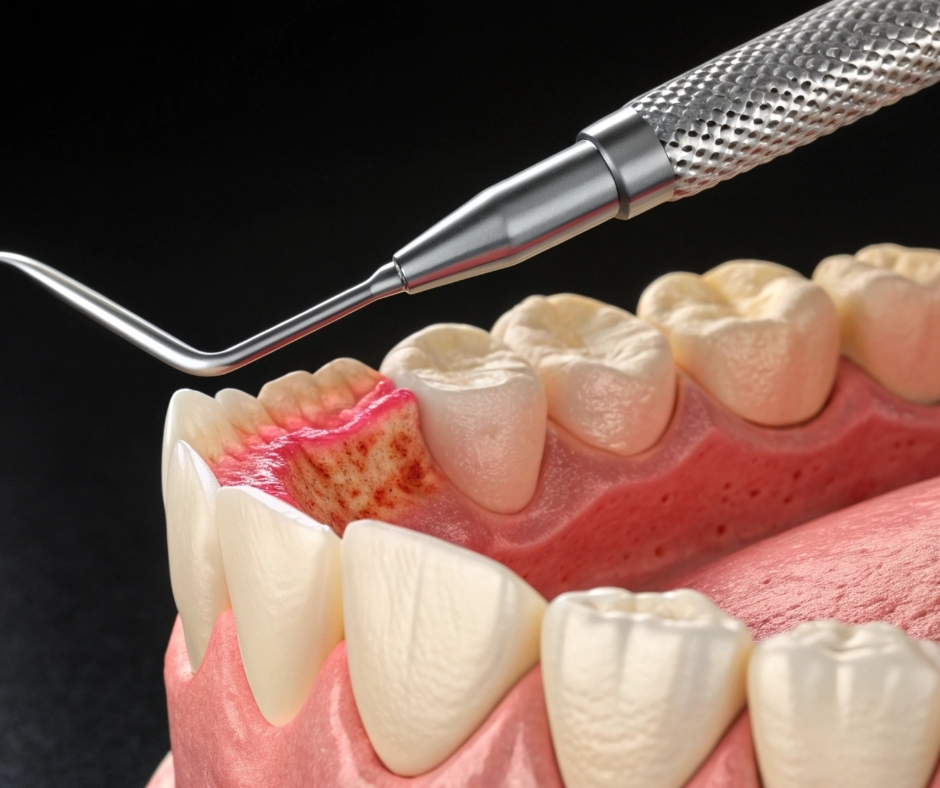
Gingival Graft & Soft Tissue Surgery Gum recession—where the gum tissue pulls away from the tooth, exposing the root surface—is a common problem that can lead to increased sensitivity, root decay, and an unsightly "long tooth" appearance. Our Gingival Graft and Soft Tissue Surgery service specializes in periodontic reconstructive procedures designed to halt recession, cover exposed roots, and reinforce thin or fragile gum tissue. This surgical intervention is essential for protecting the long-term health of the tooth root and restoring the aesthetic harmony of the smile. Soft tissue grafting involves taking a small amount of healthy tissue from the roof of the mouth (palate) or utilizing specialized, sterile tissue substitutes, and transplanting it to the area of recession. When performed by a skilled periodontist, this procedure successfully integrates the new tissue to cover the exposed root, creating a stable, thicker band of gum tissue that is resistant to future recession. The Critical Need for Gum Tissue Repair While gum recession can sometimes be caused by aggressive brushing, it is often a consequence of thin gum tissue or existing periodontal disease. Repairing the defect is crucial for several functional and aesthetic reasons: Preventing Root Decay: Exposed root surfaces (cementum) are much softer and more susceptible to decay than enamel, making coverage vital for preservation. Eliminating Sensitivity: Recession exposes the microscopic tubules in the tooth root, leading to sharp, painful sensitivity to cold, hot, or sweet stimuli. Grafting covers these tubules, eliminating the pain. Halting Bone Loss: Advanced recession is often accompanied by underlying bone loss; grafting helps stabilize the periodontium and prevents further destruction. Restoring Aesthetics: It restores the gum line to its ideal, natural position, creating balanced tooth lengths and a more youthful, complete smile. Types of Soft Tissue Grafts We select the precise grafting technique based on the specific anatomical need and the extent of the recession: Connective Tissue Graft (CTG): The gold standard. A small piece of connective tissue is taken from under the surface of the palate and positioned to cover the exposed root. The donor site heals quickly, and the graft blends seamlessly. Free Gingival Graft (FGG): Used primarily to thicken an area where the gum tissue is very thin, providing a durable band of protective tissue around the tooth base. Acellular Dermal Matrix (ADM): An advanced option using sterile, bio-engineered tissue that avoids the need for a second surgical site on the palate. Coronally Advanced Flap: Often used in conjunction with a graft, this involves gently lifting and shifting the patient's existing gum tissue to a higher position to cover the recession. Precision Surgery and Recovery Management The surgery is performed under local anesthesia with microsurgical techniques to minimize trauma and ensure optimal blood supply to the new tissue. We provide detailed post-operative instructions for managing the surgical site and the donor site (if applicable), which often includes medication and a soft diet. Proper healing is monitored closely, with the expectation that the grafted tissue will successfully integrate and mature, resulting in a healthy, durable, and cosmetically pleasing gum line.