Fixed Dental Bridges
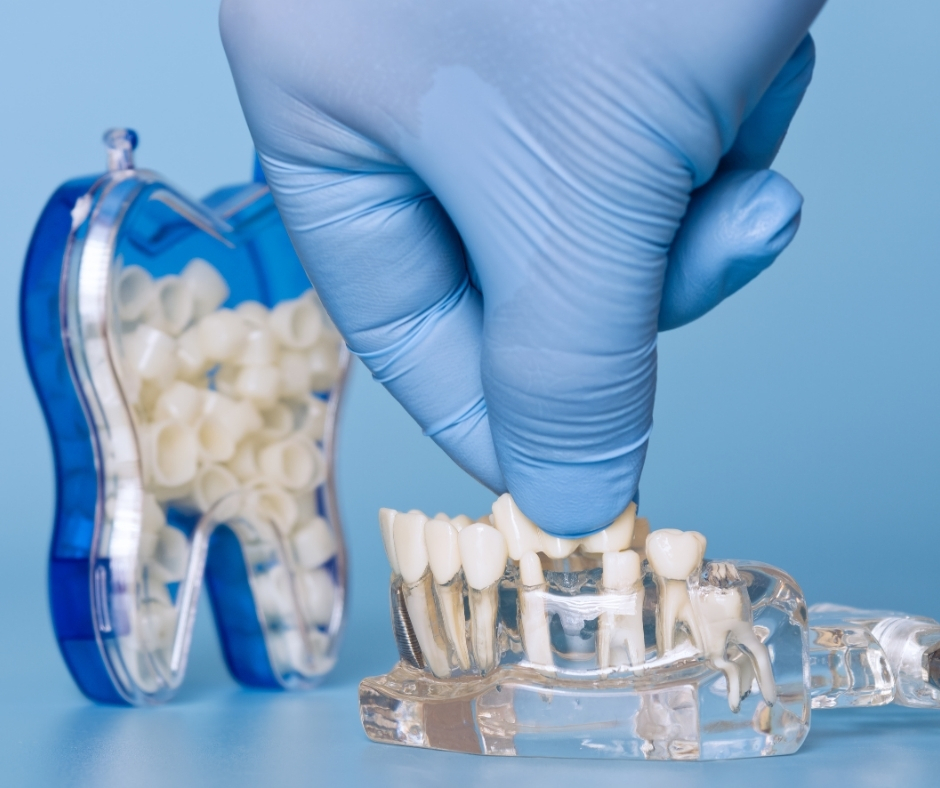
Fixed Dental Bridges A Fixed Dental Bridge is a time-honored and reliable solution used to replace one or more missing teeth by bridging the gap between two existing, healthy teeth or dental implants. It is a non-removable prosthetic device that restores both the function and aesthetics of your smile, allowing you to chew, speak, and smile with confidence. Unlike a removable partial denture, a fixed bridge is permanently cemented into place, offering a high degree of stability and comfort. A typical bridge consists of two main components: the abutments (crowns placed on the teeth adjacent to the gap) and the pontic (the artificial tooth or teeth suspended in the middle). By distributing chewing forces across the adjacent teeth, a fixed bridge stabilizes the bite and prevents the surrounding teeth from shifting or tilting into the empty space—a common cause of further dental problems. Why a Fixed Bridge Is an Excellent Solution When an implant is not feasible due to bone constraints or medical reasons, a fixed bridge provides an excellent, strong alternative: Immediate Functionality: Once cemented, the bridge is ready for full function, providing a stable and reliable chewing surface. Aesthetic Integration: Bridges are custom-fabricated from high-quality materials (often porcelain fused to metal or all-ceramic Zirconia) to precisely match the shade and contour of your natural teeth. Bite Stabilization: Replacing missing teeth is crucial for maintaining the integrity of your bite. The bridge prevents super-eruption of the opposing tooth and drifting of adjacent teeth. Durability: With proper care and hygiene, a fixed bridge can last for many years, acting as a robust, permanent fixture in your mouth. The Meticulous Two-Phase Procedure Fabricating and placing a dental bridge is a precise, multi-step process typically requiring two main appointments: Phase 1: Preparation and Impression: The abutment teeth (the teeth on either side of the gap) are carefully prepared (shaped) to allow for the placement of the stabilizing crowns. A highly accurate digital scan or impression is taken to capture the precise dimensions of the prepared teeth and the gap. A temporary bridge is placed to protect the prepared teeth and maintain aesthetics and function while the custom bridge is crafted in the dental laboratory. Phase 2: Seating and Cementation: The custom-fabricated bridge is tried in to verify the fit of the abutment crowns and the aesthetics of the pontic (missing tooth). We check for comfortable bite alignment and patient satisfaction with the color and shape. Once finalized, the bridge is permanently bonded and sealed to the abutment teeth using a strong dental cement. The final restoration is polished, and detailed instructions are provided on specialized bridge hygiene, including the use of bridge threaders to clean beneath the suspended pontic. Maintaining Long-Term Success The longevity of your bridge depends on the health of the supporting abutment teeth and the surrounding gums. Since the pontic rests directly on the gum tissue, meticulous cleaning underneath the artificial tooth is essential to prevent plaque accumulation. Our team provides dedicated training on the tools and techniques needed to keep the entire restoration and the supporting teeth clean, securing the long-term success of your beautiful, fixed bridge.