Localized Bone Grafting
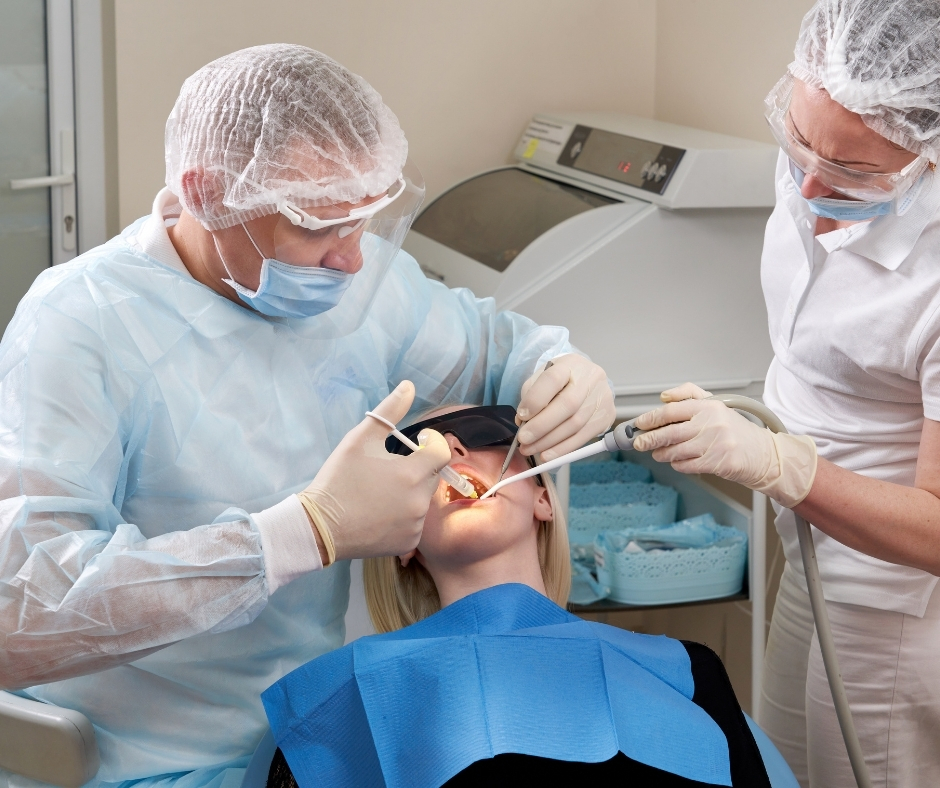
Localized Bone Grafting Localized Bone Grafting is a fundamental surgical procedure in modern restorative and implant dentistry. Its purpose is to repair and regenerate small, specific areas of bone deficiency in the jaw, creating a strong, supportive foundation for future dental work, most commonly the placement of a dental implant. When a tooth is lost, the surrounding jawbone begins to resorb (shrink) almost immediately because it is no longer stimulated by the tooth root. This bone loss can compromise the ability to place an implant, or it can create cosmetic defects. This service focuses on rebuilding the missing volume—either width, height, or both—using biocompatible grafting materials. This precise, localized augmentation procedure is the key to ensuring that a planned dental implant has a sufficient quantity and quality of bone to achieve successful, long-term osseointegration (fusion with the bone). The Primary Indications for Localized Grafting Localized bone grafting is required in several specific scenarios to ensure a predictable outcome: Socket Preservation (Extraction Site Grafting): The most common form. When a tooth is extracted, graft material is immediately placed into the empty socket. This prevents the collapse of the socket walls, maintaining the bone volume necessary for future implant placement and preserving the natural contour of the gum line. Ridge Augmentation: Used when the bony ridge has already resorbed, resulting in an insufficient width or height to accommodate a standard implant. Grafting rebuilds the deficient portion of the ridge. Repairing Defects: Used to fill in small bony defects or "holes" that result from chronic infection, trauma, or the removal of small cysts. Guided Bone Regeneration (GBR): A technique often used in conjunction with a localized graft, where a resorbable barrier membrane (like a thin sheet of specialized collagen) is placed over the graft material to protect it and ensure that only bone cells, not soft tissue cells, populate the area. The Focused Surgical Protocol Localized grafting is typically a straightforward, in-office surgical procedure performed under local anesthesia: Preparation and Access: The area is anesthetized, and a small incision is made in the gum tissue to gain access to the underlying bone defect. Cleaning and Preparation: The defect is thoroughly cleaned of any soft tissue or infection. The existing bone is scored or prepared to encourage bleeding, which brings healing factors to the site. Graft Placement: The chosen bone graft material (which acts as a scaffold—often synthetic, animal-derived, or human-derived bone substitute) is packed tightly into the defect site. Membrane Placement (if GBR used): If required, a protective membrane is placed over the graft to contain the material and guide bone growth. Suturing: The gum flap is carefully sutured back over the graft material to ensure complete closure and protection during the critical initial healing phase. Healing and Implant Readiness Bone grafting is a regenerative process that requires time. The graft material acts as a scaffold and is slowly replaced by the patient’s own vital, healthy bone. This healing period typically ranges from 4 to 9 months, depending on the size of the graft and the patient's individual healing rate. We monitor this process with periodic X-rays to confirm the site has matured sufficiently and is ready to provide the stable, dense foundation necessary for successful implant placement.