Complex Multi-Canal Root Treatment
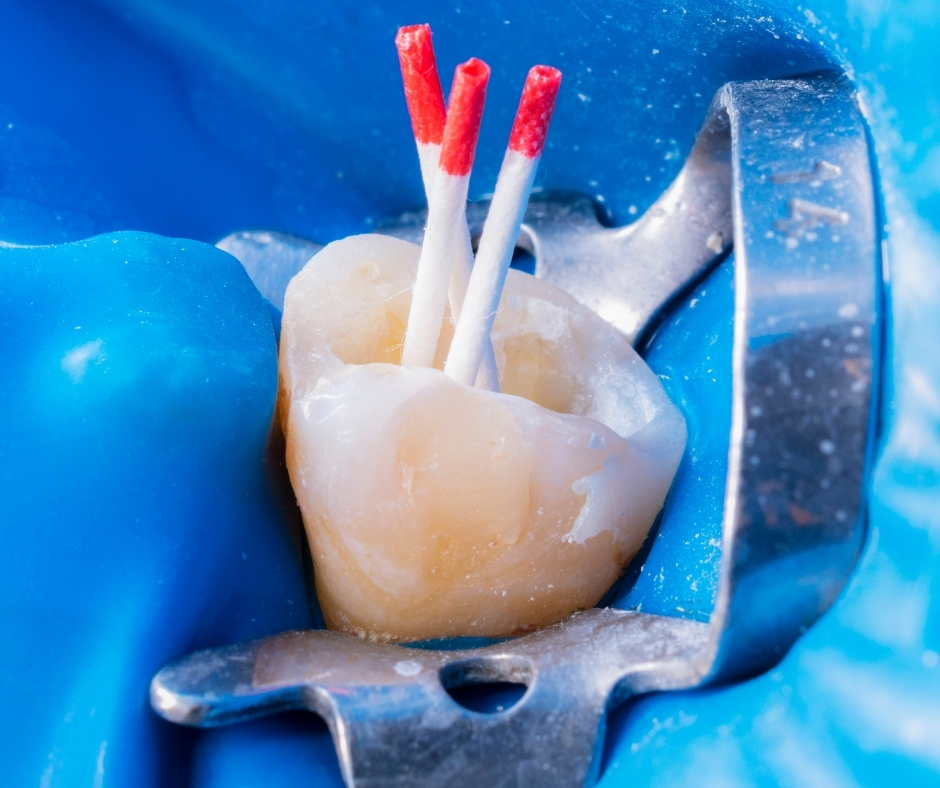
Complex Multi-Canal Root Treatment The back teeth (premolars and molars) are vital for chewing but possess complex, often variable internal anatomy, featuring multiple root canals—typically three to four, but sometimes more. Our Complex Multi-Canal Root Treatment service is a specialized endodontic procedure dedicated to thoroughly cleaning, shaping, and sealing these intricate root systems. This treatment is necessary when the pulp (nerve tissue) within a multi-rooted tooth becomes irreversibly infected or necrotic due to deep decay, repeated dental procedures, or traumatic fracture. Success in these complex cases relies entirely on Microscopic Endodontics. Using high-powered magnification and illumination, we ensure every single canal, including those that are narrow, calcified, or severely curved, is located and perfectly sealed. This precision is the single most important factor in saving a multi-rooted tooth from future failure and extraction, preserving its natural function within the dental arch. The Challenges of Multi-Canal Anatomy Multi-rooted teeth present specific challenges that demand advanced training and technology: Missed Canals: The primary reason for endodontic failure in molars is the failure to locate and treat an extra canal (e.g., the MB2 canal in the upper molar). The microscope makes these hidden canals visible. Curvature and Calcification: Many canals have severe curves, making them difficult to clean. Modern, flexible nickel-titanium files are used to navigate these bends without damaging the root walls. Structural Integrity: Treating molars requires balancing the removal of infected tissue with the preservation of healthy dentin, which is essential for the tooth's long-term strength. Periapical Healing: The chronic infection at the tip of the multi-roots (periapical lesion) requires complete bacterial elimination to allow the surrounding jawbone to regenerate. Advanced Treatment Protocol (Microscopic Guided) Our treatment for complex molars is meticulous and involves several integrated steps: 3D Diagnostic Planning: We often begin with a CBCT Scan (Service ID 28) to create a three-dimensional map of the root system, identifying the exact number and path of all canals before starting the procedure. Isolation and Access: The tooth is isolated with a rubber dam to maintain a sterile field. An access opening is made, and the operating Microscope is used to illuminate the pulp chamber and locate all canal orifices. Cleaning and Shaping: Using continuous irrigation with potent disinfectants (like sodium hypochlorite) and precision rotary files, the entire canal system is cleared of infected tissue and shaped for sealing. 3D Sealing (Obturation): The cleaned canals are filled using a thermoplastic technique (warm gutta-percha), ensuring the sealing material flows into the complex lateral canals and creates a perfect, tight, three-dimensional seal from the crown to the root tip. The Essential Post-Treatment Restoration Once the root canal is successfully completed, the multi-rooted tooth is fragile and must be protected. Because the chewing forces on molars are immense, a Full-Coverage Crown (Service ID 23) is mandatory immediately after the procedure. This final restoration restores the tooth's structural integrity, prevents future fracture, and seals the access point from bacterial contamination, ensuring the entire endodontic investment is secured for decades of reliable chewing function.