Porcelain-Fused-to-Metal Crowns (PFM)
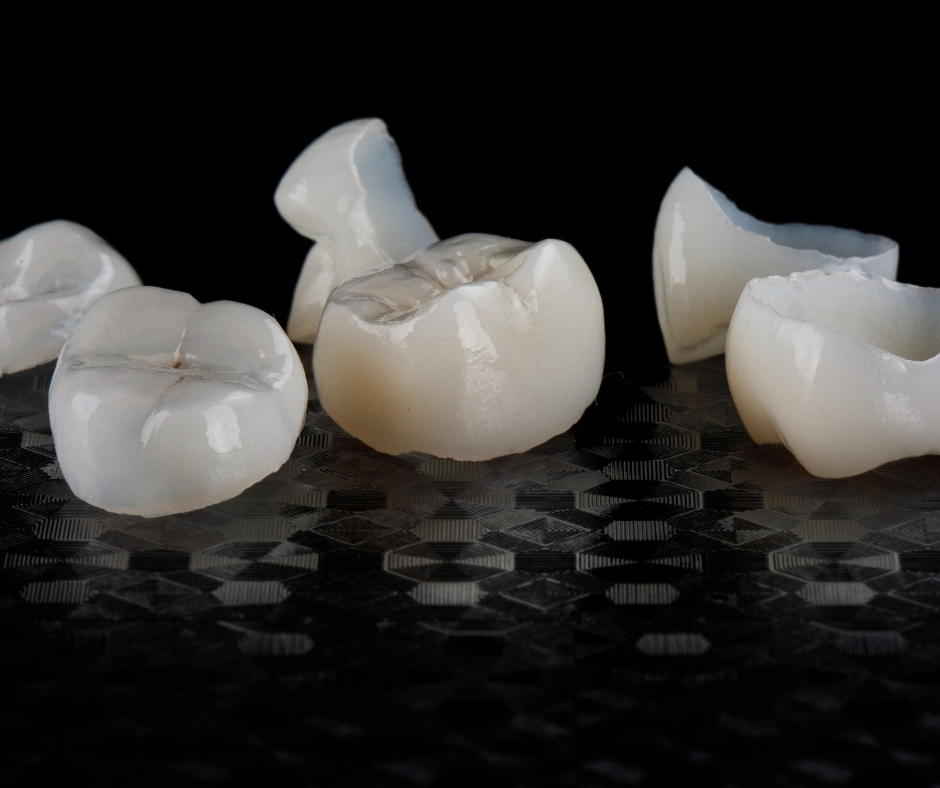
Porcelain-Fused-to-Metal Crowns (PFM) Porcelain-Fused-to-Metal (PFM) Crowns are a traditional, time-tested restorative solution that provides an excellent balance of durability, strength, and acceptable aesthetics. These crowns are constructed with a precise metal alloy coping (internal framework) that is completely covered by layers of tooth-colored porcelain (ceramic). This combination harnesses the exceptional strength and longevity of the metal foundation while providing the lifelike appearance of ceramic. PFM crowns are often the preferred choice for areas where chewing forces are heavy—particularly on back molars—or when a bridge is being constructed to replace multiple missing teeth, as the metal substructure offers superior structural rigidity. They are a reliable and cost-effective option for protecting and restoring severely damaged or root canal-treated teeth, offering many years of predictable function. The Strength of the Hybrid Structure The unique structure of a PFM crown provides specific clinical advantages, especially in functional areas: High Load-Bearing Capacity: The metal sub-structure makes PFM crowns highly resistant to fracture, making them exceptionally durable under the heavy biting and grinding forces in the posterior mouth. Structural Rigidity for Bridges: PFM is the material of choice for long-span Fixed Dental Bridges (Service ID 24), as the metal framework prevents the bridge from flexing or breaking under stress. Conservative Preparation: They often require less tooth reduction than some all-ceramic options, helping to preserve more natural tooth structure. Predictable Fit: The precise fit of the cast metal coping minimizes marginal leakage, which is crucial for preventing recurrent decay. Aesthetic Considerations and Modern Alternatives While PFM crowns offer proven function, a primary aesthetic consideration is the presence of the metal foundation: The Gray Margin: Over time, or as gums recede, the thin gray or dark metal line at the gum margin can become visible. This is the main reason why All-Ceramic Crowns (Zirconia) (Service ID 23) are now often chosen for highly aesthetic areas (front teeth). Opaque Appearance: The metal core requires the porcelain to be opaque to mask the gray color, which can sometimes result in a less natural translucency compared to pure ceramic crowns. Modern Aesthetics: For the most lifelike results, especially in the smile zone, we typically recommend metal-free restorations to achieve optimal light reflection and gum health. The Fabrication and Placement Procedure The PFM crown procedure is a reliable two-step process: Step 1: Preparation and Impression: The tooth is precisely shaped to accommodate the combined metal and porcelain thicknesses. A highly accurate impression or digital scan is taken and sent to a specialized dental laboratory for custom fabrication. Step 2: Try-In and Cementation: The laboratory-crafted crown is returned. We meticulously check the internal fit of the metal and the aesthetic quality of the porcelain, ensuring the bite (occlusion) is perfect. Once approved, the crown is permanently bonded to the prepared tooth with strong dental cement, sealing the underlying structure from contamination. Long-Term Reliability PFM crowns have a proven track record of longevity and resilience. When placed correctly and maintained with good oral hygiene, they provide a reliable, strong, and highly durable restoration, making them an excellent workhorse option for functional restoration.